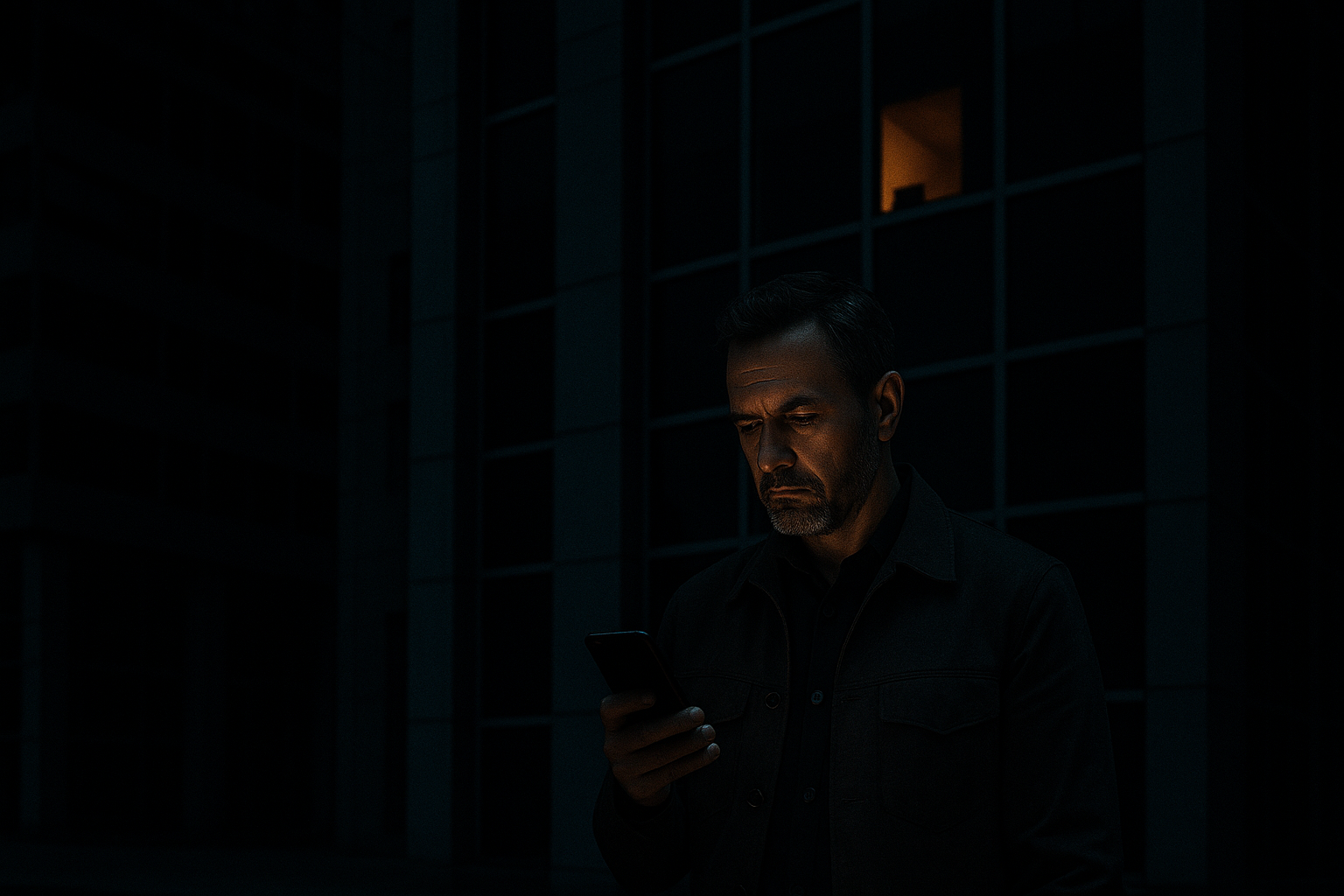
It is 9:47 PM. A homeowner's AC just died. They grab their phone, search for an HVAC company, find your website, and fill out the contact form. You are asleep. Your competitor — three miles away — has an automated system that texts back in 90 seconds, qualifies the lead, and books the appointment before midnight. You wake up to nothing. That job is gone. This is not a rare edge case. It is happening every single night, and it is the core reason after hours lead capture for contractors is not a nice-to-have — it is a revenue problem hiding in plain sight.
The 40% Problem Nobody Talks About
Industry data is consistent: 35 to 45 percent of inbound leads for home service contractors arrive outside business hours. After 6 PM. On weekends. On holidays. During the hours when you are on a job, in the truck, or at dinner with your family.
These are not low-quality leads. These are homeowners in active pain — a furnace that quit on a Friday night, a pipe dripping behind a wall, a panel that tripped and will not reset. They are not browsing. They are buying. And they are calling whoever answers first.
Every unanswered call is $500 you handed to the guy down the street.
The math adds up fast. If you bring in 40 leads a month and nearly half arrive when no one is watching the phones, you are starting every month having already surrendered 15 to 18 potential jobs. At an average ticket of $400 to $600, that is $6,000 to $10,000 in lost revenue — every month — from leads that already found you.
Why Contractors Keep Losing After-Hours Leads
The problem is not that contractors do not care. It is that the tools they reach for do not actually solve it.
The Voicemail Dead End
Most contractors' after-hours plan is voicemail. The homeowner calls, hits a generic recording, and hangs up. Studies show 80% of callers will not leave a voicemail when they have other options. And in 2024, they always have other options. They scroll down to the next result and call someone else.
The Answering Service That Sounds Like One
Some contractors pay for a human answering service. It sounds professional — until the homeowner gets a scripted reader who cannot answer basic questions, cannot check availability, and cannot book anything. The homeowner senses the dead end and disengages.
The Contact Form That Sits Until Morning
Website contact forms feel like coverage. They are not. A form submission at 10 PM that gets a callback at 9 AM the next day is an eight-hour delay. Research from Harvard Business Review found that leads contacted within 5 minutes are 21 times more likely to convert than leads contacted after 30 minutes. Eight hours is not a follow-up. It is a funeral for that lead.
The CRM Nobody Checks
More tech-forward contractors have a CRM. But a CRM is a filing cabinet. It holds leads. It does not chase them. If no one is sitting at that desk at 10 PM firing off texts and calls, the CRM does nothing. The lead sits, cools off, and books with someone who responded faster.
What Is Really Going On Here — The Reframe
Most contractors frame this as a staffing problem. If I just had someone answering phones at night, I would not miss these leads. That framing leads to bad solutions — hiring a part-time receptionist, paying for an answering service, asking a spouse to take calls on weekends.
It is not a staffing problem. It is a systems problem.
The goal is not to have a human available at all hours. The goal is to have a system that responds instantly, qualifies the lead, and books the appointment — so that by the time you wake up, the job is already on your calendar. No hire required. No overtime. No voicemail black hole.
This is the shift that separates contractors who are growing from contractors who are stuck. The ones growing are not working more hours. They are running better systems. See how this connects to the broader picture in how AI receptionists work for home service businesses.
How Does After Hours Lead Capture for Contractors Actually Work?
A real after-hours capture system has three layers. Each one handles a different failure point. Together, they make sure no lead escapes.
Layer 1 — Missed Call Text Back
A homeowner calls after hours. You do not answer. Within 60 seconds, they get an automated SMS from your number: "Hey, this is [Your Company]. Looks like we just missed your call — what's going on? We can usually get someone out same day or next day."
This does two things. It stops the lead from calling the next company. And it opens a conversation. Most homeowners will respond to a text even if they would not leave a voicemail. The conversation is already started before you have looked at your phone.
Layer 2 — AI Receptionist
For leads that come in through your website chat, Facebook, or direct text, an AI receptionist handles the conversation in real time. It asks the right questions — what is the problem, what is the property type, when do you need someone out — and qualifies the lead against your actual service criteria.
If the lead is a fit, it offers available times from your calendar and books the appointment directly. The homeowner gets a confirmation. You get a booked job. No human touched it.
This is not a chatbot that says "Thanks, someone will be in touch soon." It is a system that closes the loop at 11 PM on a Tuesday while you are asleep.
Layer 3 — Automated Follow-Up Sequence
Some leads will not book on the first touch. They responded to the text, answered a few questions, then went quiet. Without a follow-up sequence, those leads die. With one, they get a second touch the next morning, a third if needed, and a final check-in 48 hours later.
The sequence runs on its own. It is not you texting leads from the cab of your truck at 7 AM. It is a system doing it while you run your jobs. Explore how this fits into a full lead follow-up approach in the complete guide to missed call text back for contractors.
- Touch 1: Instant response — within 60 seconds of the missed call or form submission
- Touch 2: Morning follow-up — a short, conversational text the next day
- Touch 3: Value add — a reminder of availability, urgency anchor if seasonal
- Touch 4: Close or release — final message before the lead is retired from active follow-up
Most contractors stop at zero. The ones converting at the highest rates are running four touches minimum.
What This Looks Like in Practice
Consider a plumbing company doing about $400K a year. Good reputation. Solid work. Owner is on the tools full time — he is on the truck from 7 AM to 6 PM, sometimes later. After hours, calls go to voicemail. The website has a contact form. No one checks it until morning.
After implementing a missed call text back system and an AI receptionist on the website, the pattern shifts fast:
- After-hours leads that previously went unanswered start getting responded to within 90 seconds
- The AI qualifies each lead and books available slots directly into the scheduling system
- The follow-up sequence catches the ones that did not book on first contact
- Within 60 days, lead conversion from after-hours inquiries moves from under 20% to closer to 40%
The owner did not hire anyone. He did not change his hours. He added a system that runs while he works — and stopped handing free revenue to competitors who were just faster to respond.
From 20% lead conversion to 40% — just by responding faster.
This is not an outlier. It is what happens when you stop relying on manual processes for something a system can handle better and cheaper. The same pattern plays out for HVAC companies heading into peak season, electrical contractors fielding emergency calls on weekends, and any home service business where the owner is the primary point of contact.
Why Speed Is Now a Competitive Differentiator
The market has changed. Five years ago, calling back the next morning was acceptable. Now, homeowners have three to five contractors' websites open in tabs before they decide who to call. The first one to respond — with a real reply, not a voicemail — wins.
National franchise competitors and the larger regional players figured this out. They have systems. They respond in minutes. The independent contractor, still relying on voicemail and manual callbacks, is competing with one hand tied behind their back.
This is not about being bigger. It is about being faster. And speed, at this scale, is a systems problem — not a headcount problem. A single AI system can respond to 50 after-hours leads simultaneously. A single receptionist cannot. The math is not close.
The good news: you do not need a franchise's budget to run like one. After hours lead capture for contractors is now accessible at every business size — and the contractors who move first in their market lock in a real advantage before the others catch up. Learn more about building the full system in AI appointment setting for HVAC and home service contractors.
The System Is the Competitive Advantage
The contractors who are going to own their local market in the next three years are not necessarily the best technicians. They are the ones who build the best systems around their craft. Automated follow-up. Instant response. Reputation management that runs on its own. A business that operates between jobs — not just during them.
You did not start an HVAC company or a plumbing business to chase leads at 9 PM. You started it to do good work and build something that grows. The system handles the part you hate — the follow-up, the after-hours scramble, the leads that fall through the cracks — so you can stay focused on the work.
After hours lead capture for contractors is not a feature. It is the floor. It is the baseline that keeps revenue from leaking out of a business that is otherwise running well. Plug the leak first. Then build on top of it.
Stop Losing Jobs While You Sleep
If you are regularly missing after-hours leads — or even if you suspect you are but have not tracked it — the fix is not complicated. It is a system. Missed call text back, AI receptionist, automated follow-up sequence. Three layers. Built once. Runs forever.
OphidianAI builds these systems for HVAC, plumbing, and electrical contractors — done for you, activated fast, tailored to your workflow. You stay on the truck. The system handles what comes in after you park it.
Frequently Asked Questions
How fast does the missed call text back actually respond?
A properly configured missed call text back system sends the first SMS within 60 seconds of a missed call — often faster. The speed is what matters most: the homeowner has not had time to call the next contractor on their list before they hear from you.
Does after hours lead capture for contractors require new software I have to learn?
No. When it is built done-for-you, you do not manage the software — you receive the leads and booked appointments. The system runs in the background, and you interact with the output: a calendar with jobs on it, not a dashboard to babysit.
What if a lead asks a question the AI cannot answer?
A well-built AI receptionist handles qualification, availability, and booking — the 80% of conversations that follow a predictable pattern. For edge cases, the system flags the conversation for a human follow-up the next morning. Nothing falls through the cracks.
Will an automated response feel impersonal to my customers?
Speed communicates care better than delay does. A homeowner with a burst pipe at 10 PM does not feel ignored by a fast, helpful text response — they feel taken care of. What feels impersonal is hitting voicemail and hearing nothing until the next day.
How many leads are actually coming in after hours for a typical contractor?
For most home service contractors, 35 to 45 percent of inbound leads arrive outside standard business hours. After hours lead capture for contractors is not a niche problem — it represents nearly half of your monthly lead volume if you are not actively tracking it.
What is the difference between a missed call text back and an AI receptionist?
Missed call text back triggers specifically when a phone call goes unanswered — it is reactive and fast. An AI receptionist handles incoming conversations across multiple channels (web chat, SMS, social) and actively qualifies and books leads. Together, they cover every entry point a lead might use to contact your business.